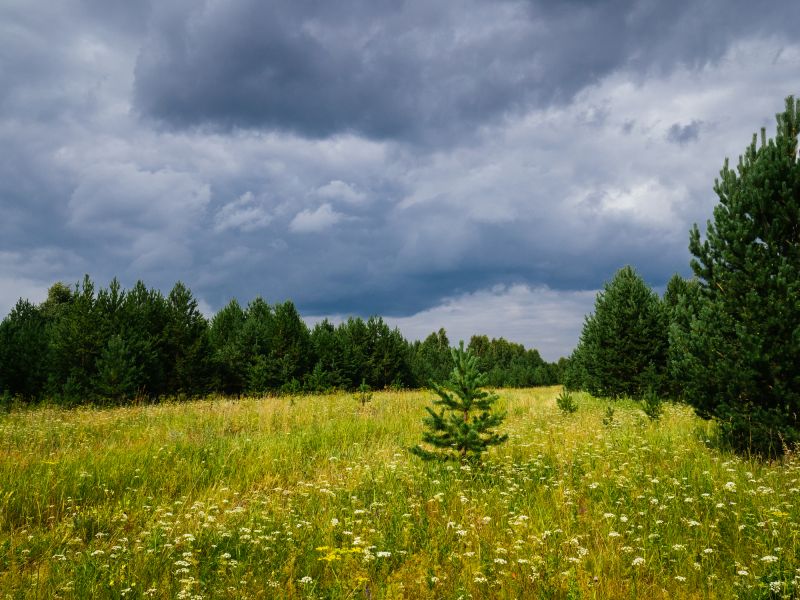
Field Clearing in Houston, TX
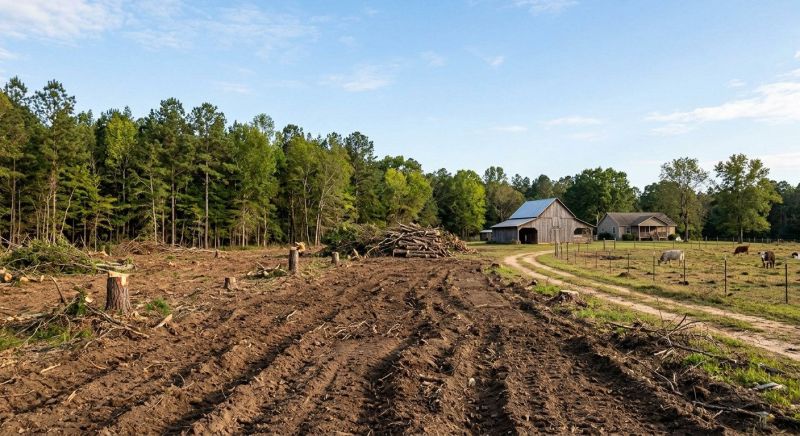
Field clearing services involve removing unwanted vegetation, trees, brush, and debris from a property to create a clean, open space. These services are often requested for projects such as preparing land for new construction, establishing gardens or lawns, creating firebreaks, or clearing overgrown areas for better accessibility and safety. Homeowners should consider the scope of their project, including the size of the area, types of vegetation involved, and any specific land features, to ensure the service meets their needs effectively.
Before requesting field clearing, property owners typically want to understand the extent of work required, including whether trees need to be cut down or simply trimmed, and if debris removal is included. It’s also helpful to clarify any land restrictions, permits, or environmental considerations that may apply. Having a clear idea of the desired outcome and the condition of the land can help in planning the project and ensuring the clearing process aligns with property goals.
Many property owners in Houston, TX look into Field Clearing for repairs, replacements, upgrades, and appearance-related improvements.
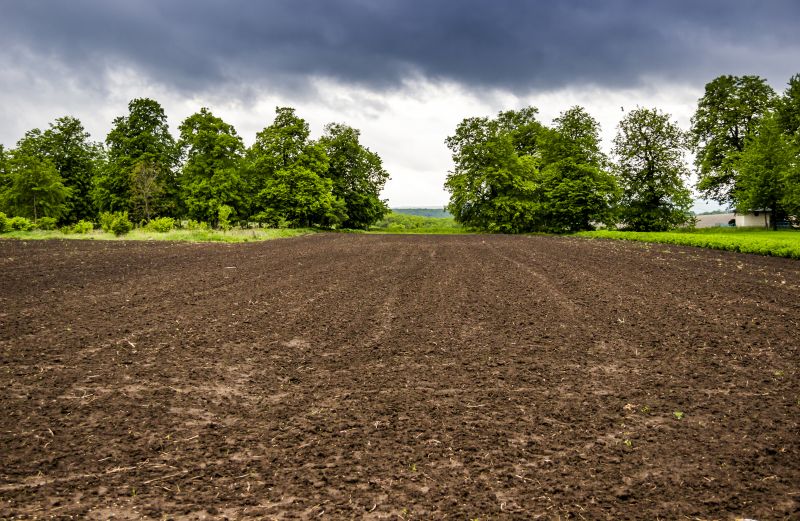
Land Preparation For Development
Field clearing prepares land for construction, farming, or landscaping projects.
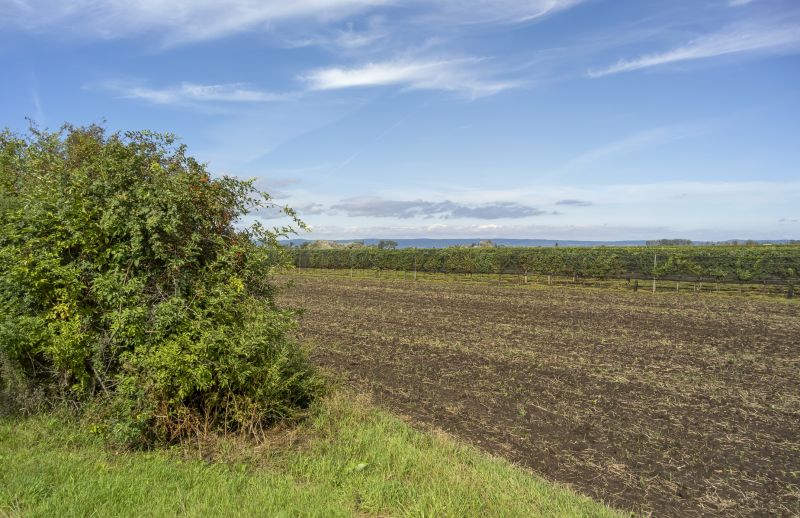
Vegetation And Brush Removal
Removing overgrown brush and trees helps improve safety and accessibility on properties.
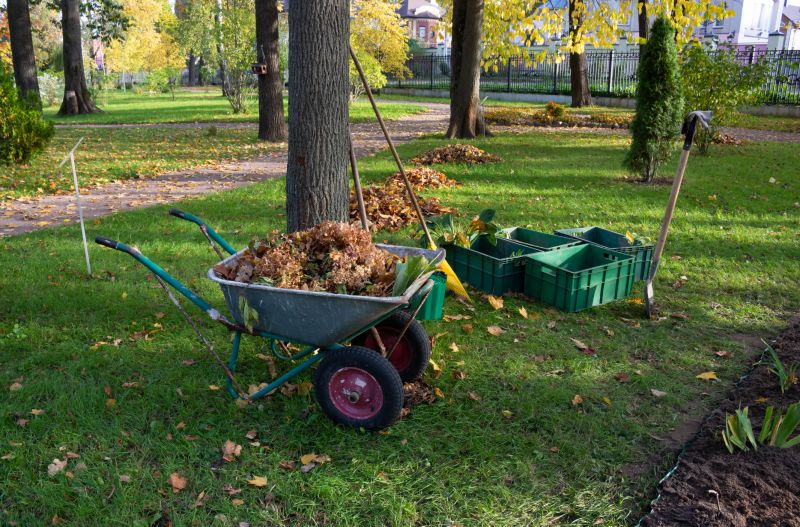
Site Maintenance And Cleanup
Regular clearing keeps properties tidy and ready for future use or improvements in houston, tx.
Field Clearing in Houston, TX

Field clearing services involve removing unwanted vegetation, trees, brush, and debris from a property to create a clean, open space. These services are often requested for projects such as preparing land for new construction, establishing gardens or lawns, creating firebreaks, or clearing overgrown areas for better accessibility and safety. Homeowners should consider the scope of their project, including the size of the area, types of vegetation involved, and any specific land features, to ensure the service meets their needs effectively.
Before requesting field clearing, property owners typically want to understand the extent of work required, including whether trees need to be cut down or simply trimmed, and if debris removal is included. It’s also helpful to clarify any land restrictions, permits, or environmental considerations that may apply. Having a clear idea of the desired outcome and the condition of the land can help in planning the project and ensuring the clearing process aligns with property goals.
Many property owners in Houston, TX look into Field Clearing for repairs, replacements, upgrades, and appearance-related improvements.
Common Field Clearing Jobs
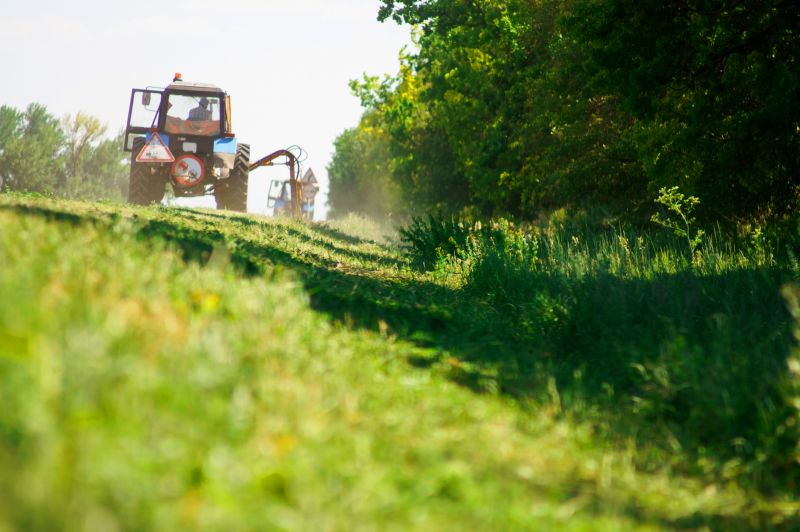
Field clearing services - Removal of overgrown grass, weeds, and brush to prepare land for development or landscaping.
Tree and shrub clearing - Cutting back or removing trees and shrubs to improve visibility and safety.
Debris removal - Clearing away fallen branches, logs, and other debris from the property.
Site preparation - Clearing land for construction, agriculture, or recreational use.
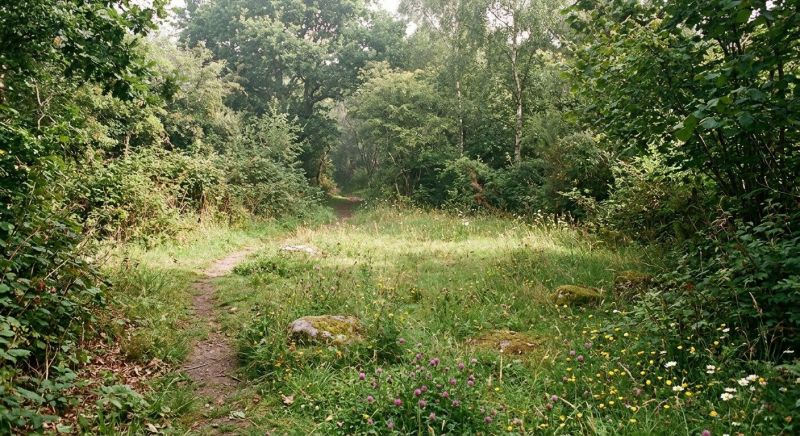
Brush and undergrowth removal - Clearing dense underbrush to reduce fire hazards and improve access.
Vegetation management - Maintaining open spaces by controlling invasive plants and overgrowth.
Field Clearing Questions
What is field clearing? Field clearing involves removing trees, shrubs, and debris to prepare land for development, agriculture, or landscaping projects.
When is field clearing needed? It is typically required before construction, new landscaping, or to manage overgrown land.
What types of projects require field clearing? Projects such as building sites, farming expansions, or large-scale landscaping often need field clearing services.
What should property owners consider before clearing land? It's important to assess the land's condition and any local regulations that might apply to land removal activities.
Request Field Clearing in Houston, TX
Use the quote form on this page to share the basics of your project and request more information for the type of work you need.