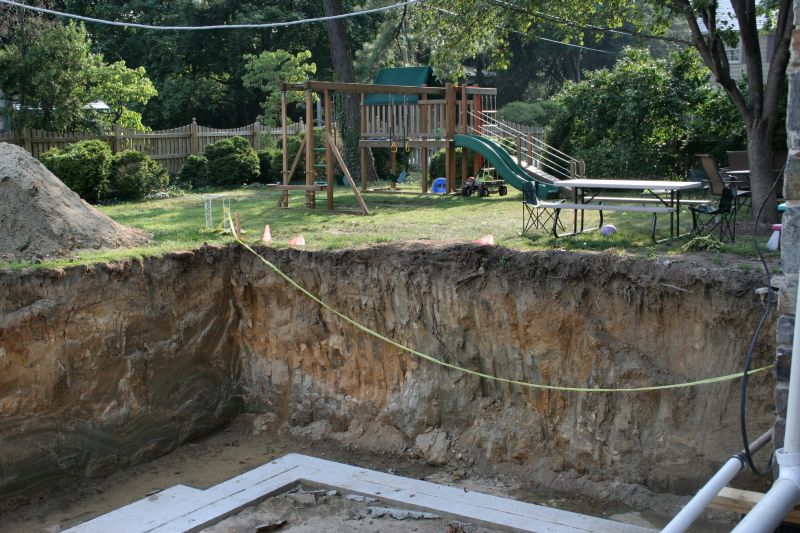
Footer Excavation in Atlanta, GA
Footer excavation services involve the removal and preparation of soil and debris around the foundation of a property. This work is essential for projects such as basement waterproofing, foundation repairs, installing new footings, or preparing for additions and landscaping. Property owners typically seek footer excavation to ensure a stable foundation, prevent water intrusion, or create a level base for construction. Before requesting this service, it’s important to understand the scope of the project, including the size of the area to be excavated, any existing underground utilities, and the desired outcome to ensure proper planning and safety.
Proper footer excavation requires careful assessment of the property’s soil conditions and structural needs. Homeowners should consider whether permits are needed for excavation work and coordinate with utility companies to avoid damaging underground lines. Clear communication about the project’s goals, the depth and extent of excavation, and any potential challenges can help facilitate a smooth process. Understanding these factors can help property owners make informed decisions and ensure the work aligns with their overall construction or repair plans.
Many property owners in Atlanta, GA look into Footer Excavation for repairs, replacements, upgrades, and appearance-related improvements.
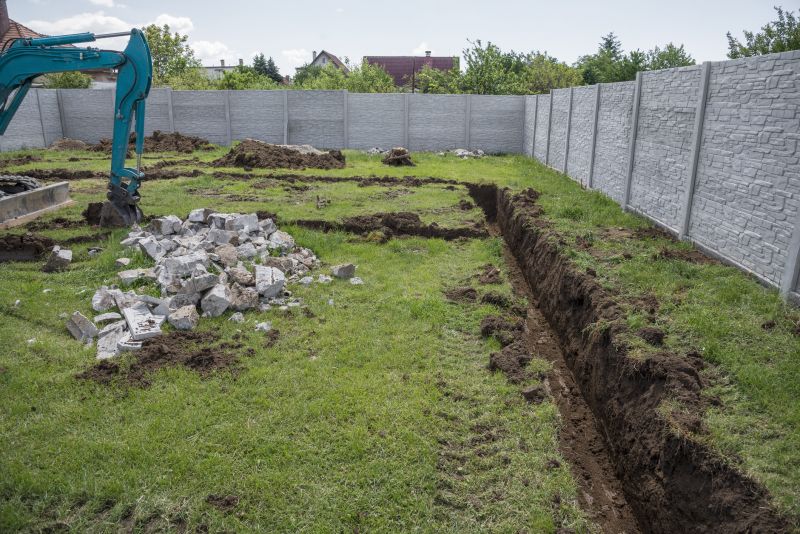
Foundation Preparation
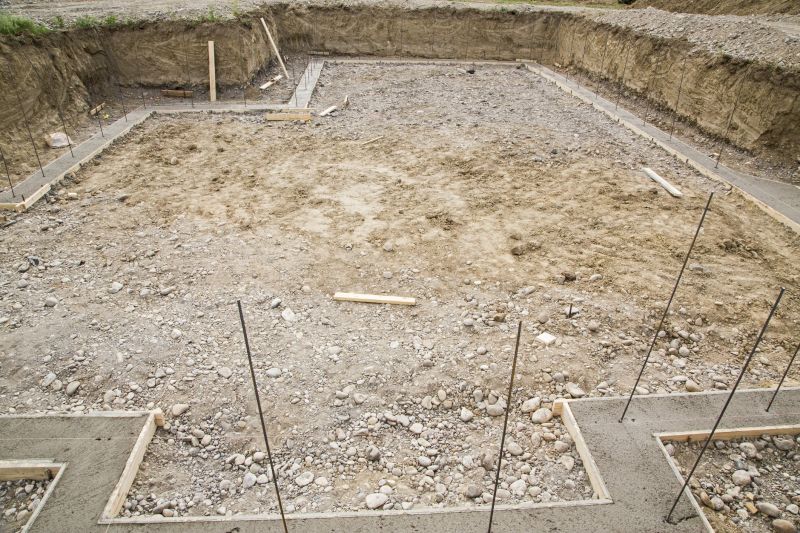
Footer excavation is essential for preparing the ground for building foundations and structures.
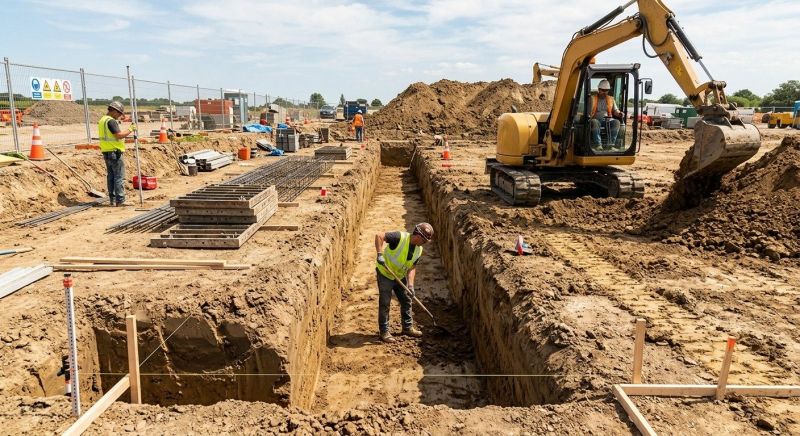
Land Clearing And Grading
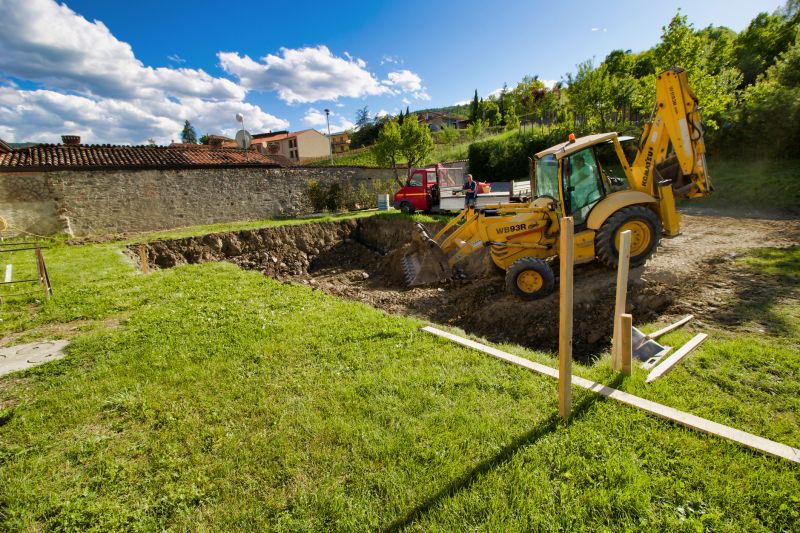
Proper footer excavation helps level and shape the land for new construction projects around atlanta.
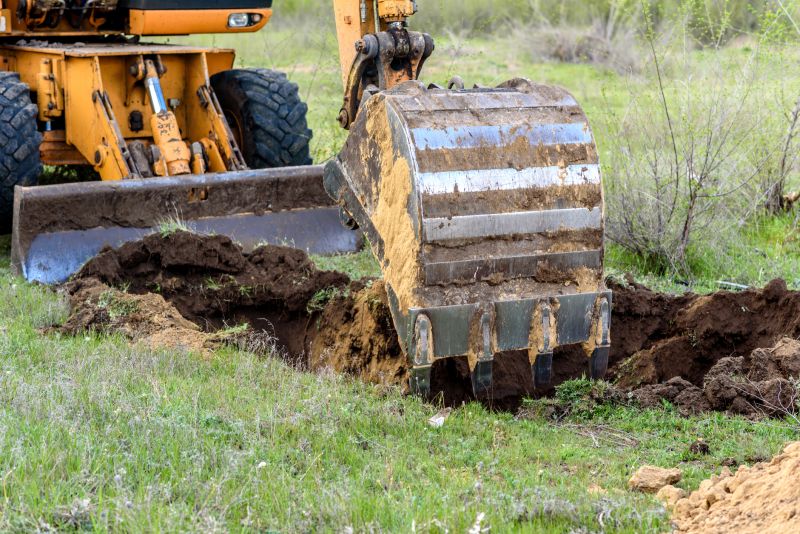
Drainage And Utility Installation
Excavating footers ensures proper drainage and allows for the installation of utilities beneath the property surface.
Footer Excavation in Atlanta, GA

Footer excavation services involve the removal and preparation of soil and debris around the foundation of a property. This work is essential for projects such as basement waterproofing, foundation repairs, installing new footings, or preparing for additions and landscaping. Property owners typically seek footer excavation to ensure a stable foundation, prevent water intrusion, or create a level base for construction. Before requesting this service, it’s important to understand the scope of the project, including the size of the area to be excavated, any existing underground utilities, and the desired outcome to ensure proper planning and safety.
Proper footer excavation requires careful assessment of the property’s soil conditions and structural needs. Homeowners should consider whether permits are needed for excavation work and coordinate with utility companies to avoid damaging underground lines. Clear communication about the project’s goals, the depth and extent of excavation, and any potential challenges can help facilitate a smooth process. Understanding these factors can help property owners make informed decisions and ensure the work aligns with their overall construction or repair plans.
Many property owners in Atlanta, GA look into Footer Excavation for repairs, replacements, upgrades, and appearance-related improvements.
Common Footer Excavation Jobs
Footer Excavation Questions
What is footer excavation used for? Footer excavation prepares the ground for foundation work, drainage systems, or landscaping projects on residential or commercial properties.
What types of projects require footer excavation? Projects such as new building foundations, basement construction, retaining walls, and driveway installations often need footer excavation.
How deep is footer excavation typically done? Depth varies based on project requirements, but it generally involves digging below frost lines and foundation footings, often several feet deep.
What should property owners consider before footer excavation? It's important to assess soil conditions, utility locations, and drainage needs to ensure proper excavation and foundation stability.
Request Footer Excavation in Atlanta, GA
Use the quote form on this page to share the basics of your project and request more information for the type of work you need.